
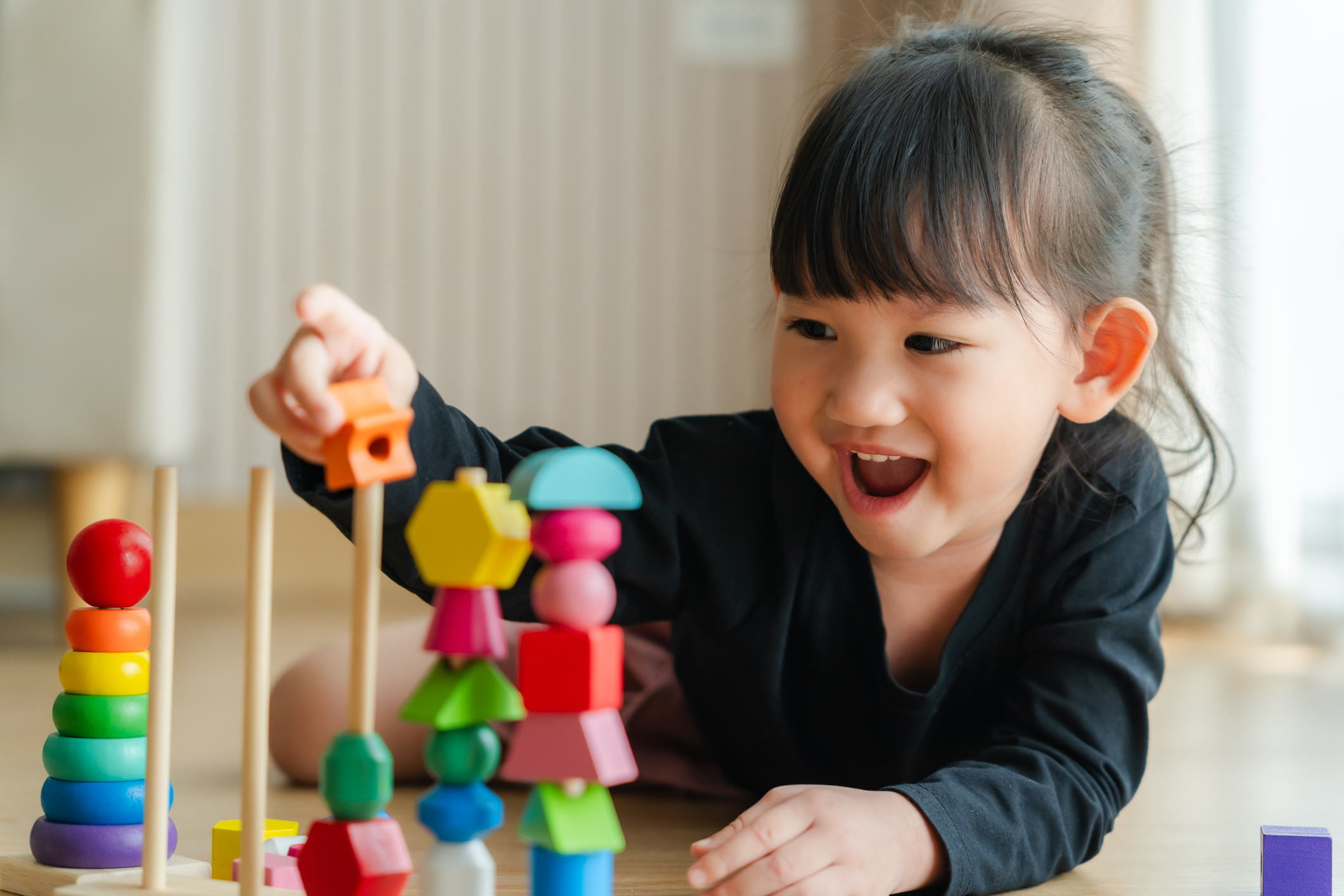
Children are learning much more than their ABCs and 123s in their early years. They also learn how to handle challenges, learn from others and be kind members of their community. These skills help children grow into confident, caring individuals.
Resiliency is a child’s ability to keep going when things feel hard. Maybe a block tower falls or a puzzle piece won’t fit. While it can be tempting to step in right away, these moments are powerful learning opportunities. When children learn they can overcome challenges, they build confidence that lasts a lifetime.
You can support resiliency by:
- Encouraging your child to try again and praise their effort, not just the result
- Using phrases like “You’re getting better each time” or “Mistakes help us learn”
- Sharing stories about times you didn’t succeed right away and what you learned
Mentorship doesn’t have to be formal. In early learning, it often looks like children learning from older siblings, classmates, teachers and caring adults. Even young children can be mentors by helping a friend clean up or showing someone how to zip a jacket. These moments teach children the value of guidance, kindness and working together.
To encourage mentorship:
- Celebrate teamwork at home
- Encourage your child to help others and ask for help when needed
- Point out positive role models in your child’s life
Citizenship starts early. It’s about learning respect, responsibility and care for others and the world around us. Simple actions like taking turns, following rules and helping a neighbor lay the foundation for strong citizenship skills. When children feel they belong and can make a difference, they grow into thoughtful and responsible citizens.
You can nurture citizenship by:
- Encouraging care for the environment, like picking up litter or recycling a bottle
- Involving your child in simple family responsibilities, like cooking or doing laundry
- Talking about and demonstrating kindness, fairness and sharing
Resiliency, mentorship and citizenship develop through everyday experiences at home, during play and at school. By modeling these behaviors and celebrating small successes, you help your child build a strong foundation for learning and life. Together, families and educators can help children grow strong, learn kindness and get ready to take on the world one step at a time!