Fall is an exciting time in early learning classrooms. Children are meeting new friends, learning new routines and exploring their classrooms. It is also the time when teachers use standards for lesson planning and begin assessments to learn more about each child’s skills and development.
In this month’s Parents’ Pages, you will find articles on the Florida Early Learning and Developmental Standards (FELDS) and the Voluntary Prekindergarten assessment, Florida Assessment of Student Thinking (FAST) Star Early Literacy. Together, the standards and assessment play an important role in supporting Florida’s strong early learning programs by helping to assess development, guide instruction and measure progress.
Early learning standards are important goals that help teachers and families support young children as they grow and learn. Standards describe the skills and knowledge children are expected to develop during their early years. They help teachers plan lessons and activities that prepare children for future success in school.
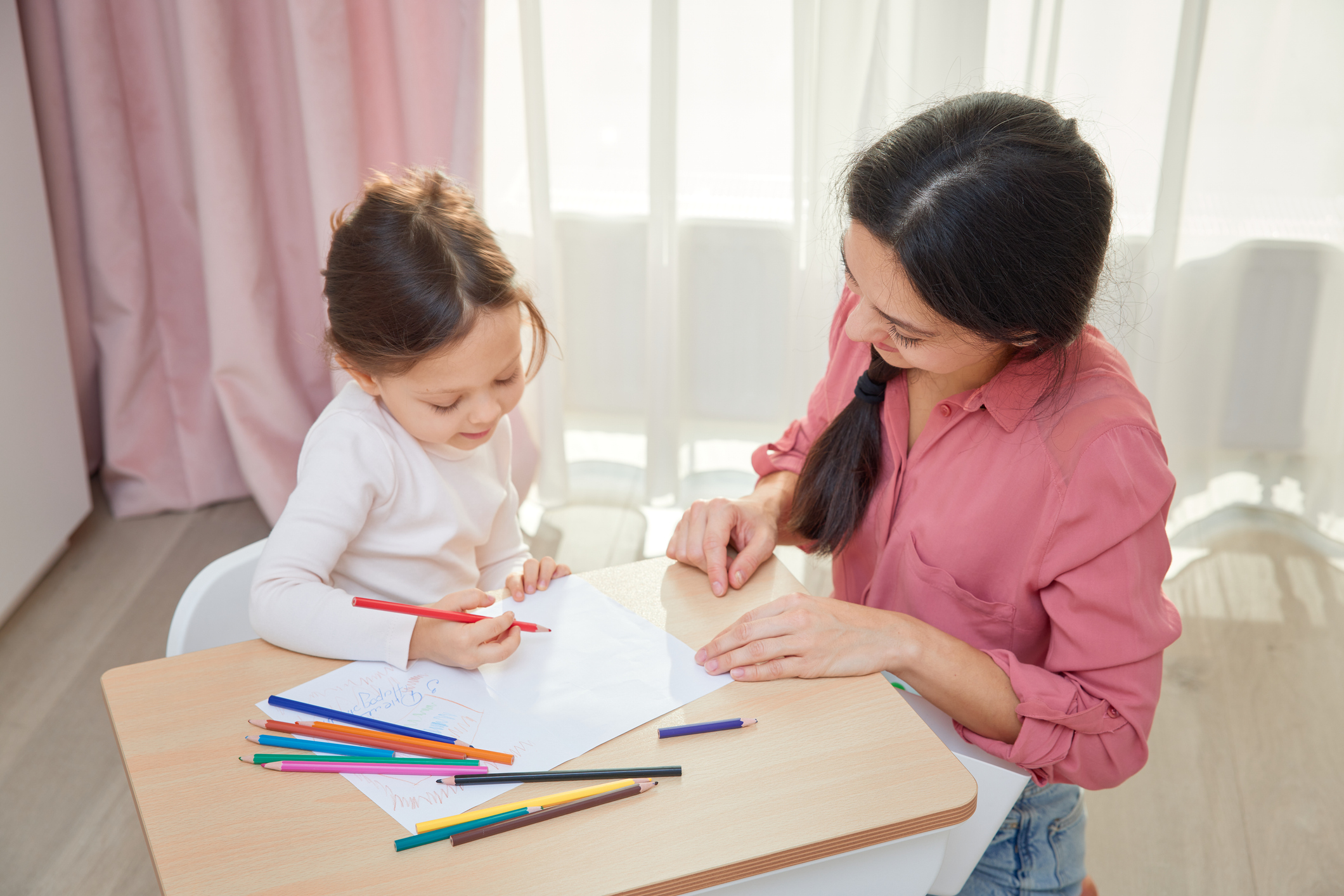
Early learning assessments are different from the tests that older students take in school. Teachers gather information by watching children play, work together and take part in classroom activities. These observations help teachers understand how children learn and grow.
During the fall, teachers observe language skills, early reading and math abilities, social skills and physical development to help identify children who need support.
Teachers also pay attention to children’s interests and strengths. The information collected helps teachers plan lessons and activities that meet the needs of every child.
Families are an important part of the assessment process. Parents and caregivers can share information about their child’s interests, abilities and experiences observed at home. When families and teachers work together, they can better support each child’s individual needs.